 Capability
Hardware Engineering
Electronic architecture, analog and digital circuit design, power conversion and component strategy.
- Scope
- Architecture to bring-up
- Output
- Schematics, boards, evidence
T · [CLIENT TO PROVIDE] E · [CLIENT TO PROVIDE]
Electronics Engineering & Product Development
Hardware, PCB and PCBA, embedded systems, firmware and connected technologies — engineered together as one product and documented so it can be built again and again.
 01 Hardware & PCB
02 Embedded & Firmware
03 Test & Production Readiness
About the company
Mahi Electronics works at the level where electronics actually behave: supply rails, signal paths, timing, thermal limits, enclosure space and unit cost. Hardware, board design and the software running on that hardware are decided together, because in a real product they are not separable.
We are an engineering partner rather than a fabricator. We do not manufacture semiconductors or run volume production lines. What we do is design electronics, prove them with measurement, and hand over the documentation, test strategy and build data that let a manufacturer produce them consistently.
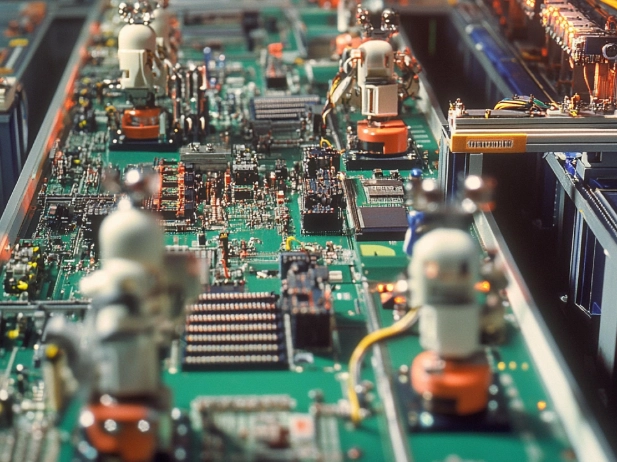
Our range
Six capability groups that cover an electronic product end to end. Most programmes use several of them at once, which is the point of keeping them under one roof.
Capability
Electronic architecture, analog and digital circuit design, power conversion and component strategy.
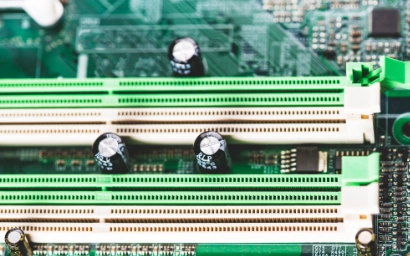 Capability
Stack-up, placement, routing, signal and power integrity, assembly readiness and build validation.
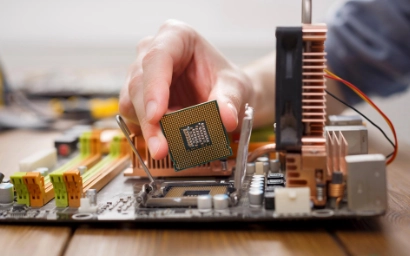 Capability
Platform selection, board bring-up, device drivers, timing behaviour and hardware-software integration.
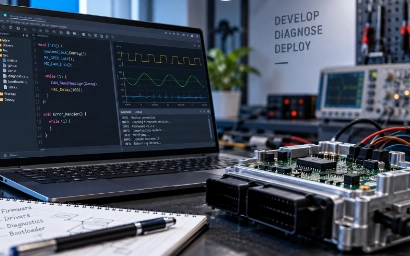 Capability
Device control, drivers, communication stacks, diagnostics, bootloaders and field update paths.
 Capability
Sensing, wired and wireless communication, device data, edge processing and fleet-scale management.
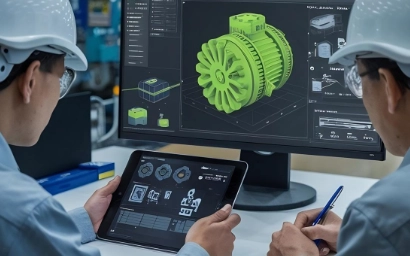 Capability
Verification, validation, reliability testing, production test strategy and manufacturing readiness.
Featured engineering
Three disciplines that decide whether the rest of a product programme runs smoothly or fights itself.
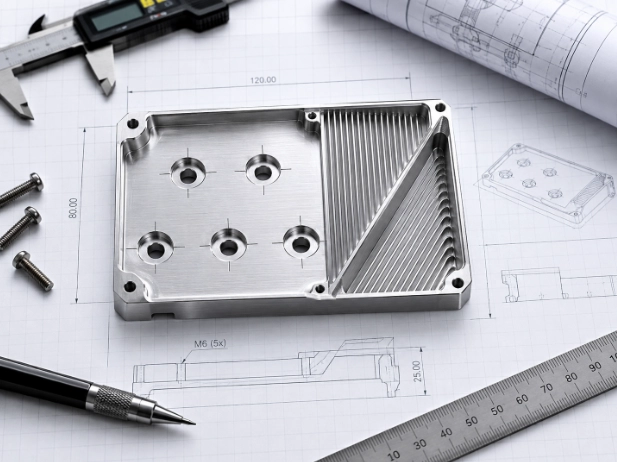
01 — Hardware Engineering
Supply rails, noise, thermal behaviour, mechanical space and unit cost pull against each other constantly. Hardware engineering is the arrangement of those forces that leaves the product able to do its job for its whole service life.
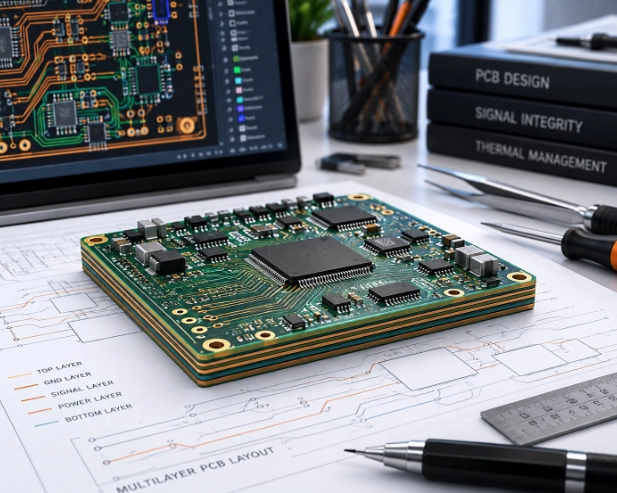
02 — PCB & PCBA
Stack-up, placement and routing determine most of a board's electrical behaviour before the first trace is drawn. We design boards to be testable and buildable, not only to work once on a bench.
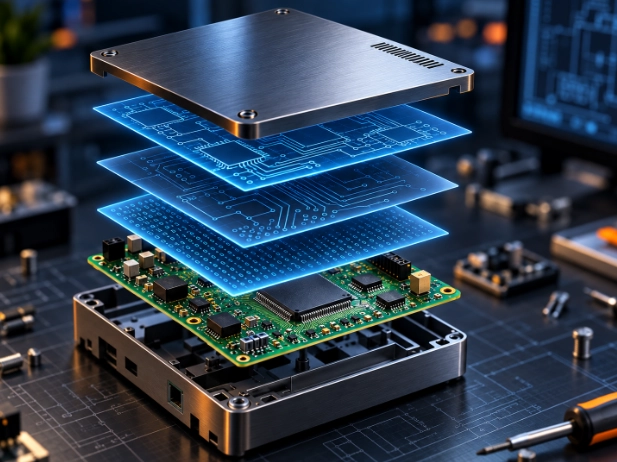
03 — Embedded & Firmware
Firmware is where hardware becomes behaviour. Drivers, timing, error handling and update paths are engineering decisions with consequences that show up years later in the field.
Industries
Temperature, vibration, regulation, service life and unit cost change what a design has to survive. The sector decides which constraints dominate.
Electronic systems engineered for demanding industrial environments.
OpenControllers, sensing and connected automation technologies.
OpenConnected products designed for consumer scale and expectations.
OpenElectronics supporting medical and healthcare equipment.
OpenElectronic systems and embedded technologies for vehicle applications.
OpenConnected products, sensors and intelligent electronic devices.
OpenElectronic monitoring, control and connected systems for energy infrastructure.
OpenConnectivity, networking and communication hardware.
OpenEvery sector we engineer electronics for, with the constraints that define each one.
OpenWhy work with us
Electrical, board and firmware decisions are made in the same room, so integration problems are designed out rather than discovered late.
Behaviour is measured on real hardware and recorded. What we tell you a design does is what the instruments showed it doing.
Component availability, assembly, test access and build documentation are part of the design, not a scramble afterwards.
Schematics, fabrication data, source, test procedures and build packs are handed over so you are never locked to one supplier.
Component lifecycle, second sources, field update paths and serviceability are reviewed while changes are still cheap.
Direct technical conversations with the people doing the work, in language that matches your own engineering team.
Quality & manufacturing support
We do not operate a factory. We make sure the design reaching one is complete, testable and repeatable — and we stay involved while the first builds are proven.
Placement, assembly access, panelisation and tolerance reviewed with the assembler before release.
Functional test coverage, test points and fixtures defined so each unit can be proven, not sampled on faith.
Fabrication data, BOM with alternates, assembly notes, firmware release and test procedures.
We stay reachable through first article, pilot build and ramp so queries do not stall the line.
Technical information
What we take on, in the terms an engineering team would ask about it.
| Discipline | Typical scope | Deliverables |
|---|---|---|
| Hardware engineering | Architecture, analog and digital circuits, power conversion, component strategy, board bring-up | Schematics, BOM with alternates, bring-up report |
| PCB & PCBA | Stack-up, placement, routing, signal and power integrity, assembly readiness | Layout, fabrication and assembly data, DFM review |
| Embedded systems | Platform selection, board support, drivers, timing behaviour, hardware–software integration | Working platform, driver set, integration notes |
| Firmware & software | Device control, communication stacks, diagnostics, bootloaders, field update paths | Source, build system, tests, release documentation |
| IoT & connectivity | Sensing, wired and wireless communication, device data, edge processing, fleet management | Connected device platform, provisioning and update design |
| Testing & production | Verification, validation, reliability testing, production test strategy, manufacturing readiness | Test plans, coverage evidence, build packs |
Join at concept, or step into an existing programme at any stage.
Design data, source and documentation transfer to you.
We stay available while the design is proven in production.
Clients
Client names and logos are shown only with permission. This grid is reserved for them.





Client feedback
Mahi Electronics brought a very practical engineering approach to our project. Their team understood the hardware requirements quickly, worked through the PCB and embedded challenges carefully, and kept the development focused on a solution that could actually move toward production.
What stood out was the depth of technical involvement. From circuit architecture and PCB development through firmware integration and testing, Mahi Electronics gave us clear engineering feedback at every stage. The documentation and build information also made the transition from prototype to production much smoother.
We needed an engineering partner who could look beyond a working prototype and consider reliability, manufacturability and long-term support. Mahi Electronics worked closely with our team, validated the design on real hardware and helped us address production considerations early rather than discovering them later.
Next step
Send the requirement, the constraint or the problem you are stuck on. We will tell you what engineering it actually needs — and what it does not.
Enquiries
The first conversation is about scope, not sales: what the product has to do, what it has to survive and what evidence it will need. Everything after that follows from it.
Mahi Electronics is an electronics engineering and product development company. We work across hardware and circuit design, PCB and PCBA, embedded systems, firmware, connectivity and testing, and we prepare designs for repeatable production.
No. We are an engineering company, not a semiconductor fabricator or a mass-production factory. We support manufacturing through design for manufacture, documentation, build packs, test strategy and supplier coordination.
Yes. Our engagements run from requirements and architecture through design, prototyping, firmware, validation and production readiness. We can also join an existing programme at any stage.
Industrial electronics and automation, consumer electronics, healthcare equipment electronics, automotive electronics, IoT and smart devices, energy and utilities, and telecommunications hardware.
With a technical conversation about what the product has to do, the constraints it has to work within and the evidence it will need to demonstrate. That conversation defines scope before any engineering is quoted.